Introduction to the Rise of Tokenized Real World Assets on Blockchain Trends
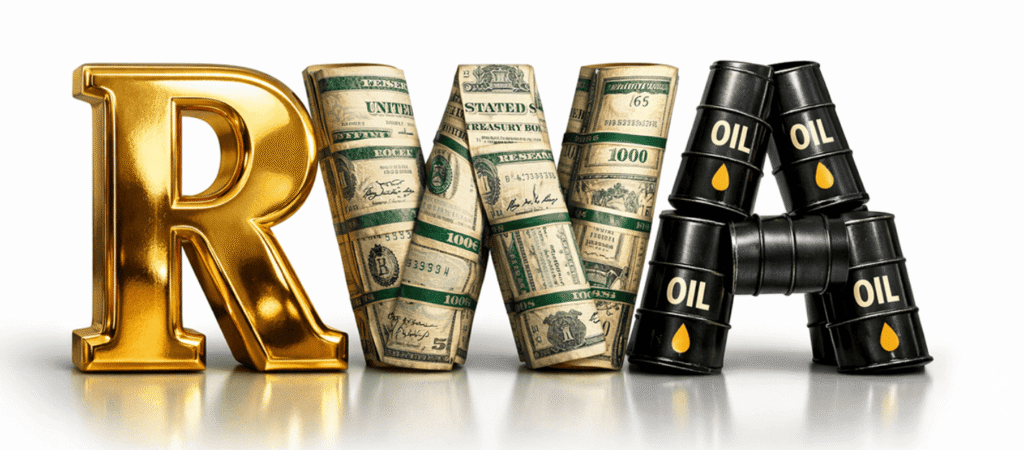
The rise of tokenized real world assets on blockchain trends stands as one of the most significant developments in digital finance since around 2020. What started as experimental pilots has evolved into a multibillion dollar ecosystem that is reshaping how investors access and trade traditional financial instruments.
So what exactly are tokenized real world assets? In plain terms, these are blockchain based digital tokens that represent ownership or rights to physical or financial assets that exist outside the digital realm. Think tokenized US Treasury bills that pay weekly yields directly to your wallet, fractional ownership in a commercial building downtown, or digital gold tokens backed by physical bars sitting in a vault.
The shift from theory to practice accelerated dramatically when major institutions entered the arena. In 2023 and 2024, firms like BlackRock and JPMorgan moved from research papers to large scale pilots, signaling to the market that tokenization was ready for institutional capital. These experiments demonstrated that blockchain infrastructure could handle regulated financial assets with the security and compliance that traditional finance demands.
This article will walk you through how asset tokenization actually works, the key benefits driving adoption, recent market data showing where the growth is happening, major use cases across different sectors, regulatory trends shaping the landscape, the leading platforms enabling these innovations, and what to expect over the next five years as this technology matures.
What Are Tokenized Real World Assets
Tokenized real world assets are blockchain based tokens that represent legal rights to off chain assets such as bonds, money market funds, real estate, commodities, invoices, and carbon credits. Each token functions as a digital certificate of ownership, with the rights to a given asset recorded on a distributed ledger that anyone can verify.
These tokens are recorded on blockchains like Ethereum, Polygon, or specialized permissioned networks. The critical distinction is that each token is backed one to one by an off chain asset held with a regulated custodian. This is fundamentally different from native crypto assets like ETH, which derive their value from network utility and market dynamics rather than representing claims on existing financial instruments.
The adoption trajectory tells a compelling story. The first tokenized US Treasury products emerged around 2021, initially as proof of concept experiments. By late 2023, on chain US Treasuries had surpassed 1 billion dollars in total value locked, marking a milestone that demonstrated real market demand rather than just theoretical appeal.
When looking at specific illustrations, products like the Franklin OnChain US Government Money Fund brought traditional money market exposure to blockchain rails. The BUIDL fund launched by BlackRock in partnership with Securitize represented a major institutional commitment to the space. Platforms like Ondo Finance created tokenized Treasury wrappers specifically designed for crypto native users seeking stable, yield bearing on chain alternatives to stablecoins.
How Tokenization of Real World Assets Works
Understanding the basic flow of how tokenization operates requires following an asset from selection through issuance, trading, and eventual redemption. The process bridges traditional finance infrastructure with blockchain technology in a structured, legally enforceable way. The interaction between users, custodians, and the blockchain system is central to ensuring a seamless and secure process throughout each stage.
Off Chain Asset Setup
The process begins with an issuer selecting an asset, such as a pool of US Treasuries or a specific commercial property. A regulated special purpose vehicle or trust is then created to hold the underlying asset. A licensed custodian takes possession of the asset and maintains it according to applicable regulations. This off chain formalization establishes the legal foundation that gives the tokens their value.
On Chain Issuance
Once the off chain structure is in place, the issuer deploys a smart contract on a chosen blockchain. This software system mints a fixed number of tokens and establishes the linkage between those tokens and off chain legal documentation such as offering memoranda and trust agreements. The smart contract defines the number of tokens into which the asset is split and the rules governing their transfer. Additionally, the smart contract specifies system functions that govern token creation, transfer, and compliance, ensuring the platform operates reliably and transparently.
Investor Onboarding
- Investors complete KYC and AML checks through a transfer agent or compliance provider before receiving tokens
- Approved investors receive tokens into their blockchain wallet once verification is complete
- Whitelisting mechanisms in the smart contract ensure only verified addresses can hold and transfer tokens
Ongoing Operations
Interest or rental income collected off chain is distributed pro rata to token holders on chain via smart contracts. For example, weekly US Treasury yield distributions flow automatically to all token holders based on their proportional ownership. Monthly real estate cash flows work similarly, with the smart contract handling the calculation and distribution logic. The implementation of these processes ensures that the system functions as intended, maintaining accuracy and compliance throughout ongoing operations.
Redemption Process
When an investor wants to exit their position, they burn tokens on chain and receive cash or delivery of the underlying asset. A concrete example would be redeeming tokenized gold for physical metal via a vault provider, where the token destruction triggers the custodian to release the corresponding gold to the investor. The implementation of the redemption process is critical to ensure that the system functions correctly and assets are delivered securely.
Use cases for these processes are often written in natural languages with structured templates, fostering better communication among stakeholders.
Key Benefits Driving the Rise of Tokenized Real World Assets
The rise of tokenized real world assets on blockchain trends is driven by a combination of efficiency gains, expanded investor access, and new product design possibilities that were previously impractical or impossible.
Faster Settlement
Traditional securities often settle in T plus two days, meaning two business days pass before a transaction is finalized. On chain transfers can finalize in seconds to minutes, reducing counterparty and settlement risk. This compression of settlement time also frees up capital that would otherwise be locked during the waiting period.
Lower Operational Costs
Tokenization reduces reliance on multiple intermediaries such as custodians, transfer agents, and clearinghouses. While these functions still exist, automating portions of them through smart contracts can meaningfully reduce fees for products like money market funds or private credit instruments. The potential savings compound as transaction volumes increase.
Fractional Ownership and Global Access
Tokenization can turn a 10 million dollar building into thousands of smaller units that investors from multiple jurisdictions can access, subject to local rules. This fractionalization creates more possible buyers and sellers for traditionally illiquid assets, enabling transaction counterparties to interact more easily than in traditional markets.
24 by 7 Markets
Tokenized assets can in principle trade continuously, similar to crypto markets. Unlike traditional markets limited by local exchange hours and holiday schedules, blockchain networks operate around the clock. This continuous availability creates new opportunities for portfolio rebalancing and price discovery.
Programmability
Smart contracts enable functionality that was previously impractical. Tokenized Treasuries can serve as collateral in on chain lending protocols. Compliance rules can be embedded directly into tokens, automatically restricting transfers to verified addresses. Dividend distributions, corporate actions, and governance voting can all be automated through programmable logic.
Current Market Landscape and Adoption Metrics
Tokenized real world assets moved from experiments to meaningful scale between 2020 and 2024, with accelerated growth in on chain Treasuries and private credit leading the way.
By 2024, tokenized real world assets across major public chains exceeded several billion dollars in value, with US Treasuries, stablecoins, and tokenized funds as the largest categories. This represents a dramatic increase from the sub 100 million dollar levels seen in early experimental phases.
Several milestones mark this progression:
- JPMorgan’s Onyx platform conducted pilot transactions with tokenized assets in 2020 and 2021, demonstrating that major banks saw genuine potential
- The Monetary Authority of Singapore launched Project Guardian in 2022, creating a regulatory sandbox for tokenized asset experimentation
- BlackRock’s 2024 announcement of large scale tokenized fund initiatives signaled that the world’s largest asset manager was moving beyond exploration
- The European Investment Bank issued bonds on private blockchain infrastructure in 2021, bringing sovereign issuance into the tokenization conversation
Ethereum and layer two networks dominate most tokenized RWA projects, benefiting from established smart contract standards and a large ecosystem of wallets and developer tools. However, permissioned efforts continue alongside public chain adoption, particularly for institutions prioritizing privacy and regulatory control.
Regional Patterns
- Europe has focused on tokenized bonds and funds, with regulatory frameworks like the DLT Pilot Regime providing structure
- Asia is experimenting with tokenized deposits, with Singapore based pilots leading innovation
- The United States has advanced tokenized Treasuries and private credit within existing securities law frameworks like Regulation D and Regulation S
Major Use Cases and Sectors for Tokenized Real World Assets
Before exploring the major sectors, it’s important to understand how use cases are structured in the context of the rise of tokenized real world assets on blockchain trends. A business use case describes the high-level goals and interactions between a business and its users, such as a company and its customer, and is essential for defining project scope and aligning business objectives. Each case describes different types of interactions: a business use case focuses on business goals, a system use case breaks down every step of the interaction between the user (the primary actor) and the system (which may include hardware or an app), and an app use case illustrates user flows in digital platforms. Effective use cases are documented by identifying a few key components—actors, systems, and user goals—using a case driven approach and case writing best practices. The use case model, often visualized in diagrams, supports communication, testing, and documentation across multiple teams, bridging the gap between business justification and technical requirements. This approach, first outlined in Ivar Jacobson’s first article at OOPSLA’87, has evolved into the use case driven approach widely used today. Writing and sharing more insights into use cases helps ensure clarity and stakeholder alignment.
The rise of tokenized real world assets on blockchain trends is visible across several concrete sectors, moving well beyond theoretical applications into real products with real users.
Government Debt and Money Markets
Tokenized US Treasury bills and money market funds have emerged as on chain cash alternatives for crypto native investors. Products like Franklin’s BUIDL fund, Ondo’s OUSG, and other on chain Treasury wrappers provide exposure to government yields while remaining within blockchain ecosystems. These products allow DeFi protocols and institutional treasuries to hold yield bearing assets without leaving the on chain environment. In this sector, the main success scenario involves a customer (the primary actor) using an app to purchase tokenized government debt, achieving the user goal of earning yield while maintaining blockchain-native exposure. Alternative scenarios may include failed transactions or regulatory checks.
Real Estate Tokenization
Platforms have offered fractional ownership in individual residential and commercial properties since early pilots around 2018 to 2020. More regulated structures emerged after 2021 as legal frameworks caught up with technology. While liquidity remains limited compared to public REITs, tokenization creates new access points for smaller investors previously excluded from direct property ownership. Here, the main success scenario describes a person or company purchasing a token representing a property share, while other scenarios might involve secondary trading or redemption.
Commodities and Precious Metals
Tokenized gold products backed by vaulted bars represent physical asset exposure in digital form. These differ from unbacked crypto assets by requiring regular third party audits verifying that physical metal exists to back outstanding tokens. Similar structures exist for other precious metals and commodity baskets. The main success scenario is a customer acquiring a tokenized gold asset via an app, with scenarios for audit verification or redemption.
Private Credit and Trade Finance
Invoices, loans, and revenue share agreements represented as tokens allow smaller investors to access yields previously limited to banks and large funds. This case model democratizes access to private credit markets while providing borrowers with alternative funding sources outside traditional banking channels. The main success scenario involves a company issuing a tokenized loan, with the customer investing and receiving returns, while other scenarios may include default or early repayment.
Tokenized Investment Funds
Tokenized index funds and money market funds keep underlying portfolios off chain but issue blockchain native share classes. This hybrid approach preserves existing fund management infrastructure while adding blockchain based features like programmable transfers and automated distributions. The main success scenario is a customer subscribing to a tokenized fund, with scenarios for automated distribution or withdrawal.
Emerging Categories
Experimental categories are expanding the boundaries of what can be tokenized:
- Tokenized carbon credits enabling transparent tracking of environmental offsets
- Intellectual property rights represented as tradeable tokens
- Music royalty streams fractionalized for investor access
In all these sectors, effective use cases and a clear use case model help describe and explain the interactions, actors, and user goals, supporting communication and project success. Use cases support multiple teams, facilitate requirement gathering, and provide more insights for writing and refining project documentation.
System Use Case
A system use case is a foundational tool in software development that describes, in detail, how users interact with a software system to accomplish specific goals. It outlines the system’s expected behavior by mapping out the basic flow of events that occur when a user initiates an action, as well as any alternative flows or exceptions that might arise. This approach allows teams to identify and document the system’s functionality from the user’s perspective, ensuring that all requirements are captured before development begins.
By creating a system use case, developers and stakeholders gain a clear understanding of how the software system should respond to various user interactions. The use case details the sequence of events, the roles of different users, and the system’s responses, making it easier to identify gaps or ambiguities in the requirements. Alternative flows are also considered, describing how the system should handle unexpected inputs or errors, which is crucial for building robust software.
System use cases are especially valuable for teams because they provide a standard way to communicate and validate system requirements. They help developers, testers, and business analysts align on what the software should do, reducing misunderstandings and rework. By focusing on the basic flow and alternative scenarios, teams can create a comprehensive blueprint for the software, ensuring that the final product meets user needs and project goals.
User Story
A user story is a concise, user-centered description of a desired software feature or requirement, written in everyday language. In software development, especially within agile methodologies, user stories are a key technique for capturing what users want the system to do. Each user story typically follows a simple format: “As a [user], I want to [perform some task] so that [I can achieve some goal].”
User stories help teams focus on the functionality that matters most to users. By breaking down the system into small, manageable features, teams can prioritize development work and ensure that each feature delivers real value. User stories are used to create a backlog of requirements, guiding the development process and helping teams deliver software that is both effective and user-friendly.
In practice, user stories encourage collaboration between developers, stakeholders, and end users. They make it easier to discuss and refine requirements, ensuring that the software system evolves in line with user expectations. By centering the development process around user stories, teams can create features that are relevant, useful, and aligned with the overall goals of the project.
Test Case
A test case is a detailed set of instructions used to verify that a specific feature or functionality of a software system works as intended. Each test case outlines the inputs, execution steps, expected outputs, and any preconditions or postconditions required for the test. Test cases are an essential part of the software development process, as they help teams systematically identify defects and ensure that the system meets its functional requirements.
Test cases are often derived from user stories, use cases, or other system requirements. By translating these requirements into concrete test scenarios, teams can validate that the software behaves correctly under various conditions. Each test case provides a clear, repeatable process for checking a particular aspect of the system, making it easier to catch bugs early and maintain high quality standards.
For development teams, maintaining a comprehensive suite of test cases is critical for supporting ongoing software changes and updates. Well-written test cases help ensure that new features do not introduce regressions or unexpected behavior, and they provide a reliable way to measure progress toward project goals. By integrating test cases into the development workflow, teams can deliver robust, reliable software that meets user needs.
Tokenized Securities
Tokenized securities are digital tokens that represent ownership of traditional assets such as stocks, bonds, or real estate. Through the process of asset tokenization, the rights to these assets are converted into blockchain-based tokens, making them easier to trade, manage, and transfer. Tokenized securities combine the benefits of blockchain technology—such as transparency, security, and efficiency—with the familiarity and regulatory oversight of traditional financial assets.
The process of creating tokenized securities involves issuing digital tokens on a blockchain platform, each representing a specific share or claim on the underlying asset. These tokens can be traded on digital asset exchanges, allowing for faster settlement, reduced transaction costs, and improved liquidity compared to conventional markets. Investors gain access to a broader range of assets, often with lower minimum investment thresholds, increasing accessibility and democratizing participation in financial markets.
By leveraging blockchain technology, tokenized securities offer a secure and decentralized way to manage assets, with transparent records of ownership and transaction history. This innovation has the potential to disrupt traditional financial markets, streamline asset management, and create new opportunities for both issuers and investors. As adoption grows, tokenized securities are poised to become a standard form for representing and trading a wide variety of assets.
Regulatory and Legal Considerations
Regulatory clarity is one of the main factors shaping the rise of tokenized real world assets on blockchain trends. Most jurisdictions currently treat RWA tokens as regulated securities or financial instruments, subjecting them to existing financial law rather than creating entirely new frameworks.
United States
Tokenized Treasuries, tokenized funds, and tokenized private credit instruments are typically issued under existing securities exemptions such as Regulation D, Regulation S, or registered fund structures. The SEC treats tokenized securities the same as traditional securities, meaning compliance requirements around disclosure, investor accreditation, and registration apply. The CFTC has jurisdiction when tokens represent commodities or are used in derivatives contracts.
European Union
The Markets in Crypto Assets regulation addresses certain crypto assets, while separate frameworks like the DLT Pilot Regime and national rules govern tokenized bonds and fund shares. This creates a layered regulatory environment where different token types fall under different regulatory categories based on their underlying assets and structures.
Asia Pacific
Singapore’s Project Guardian provides a controlled environment for testing tokenized deposits, funds, and bond markets. Hong Kong and Japanese initiatives are exploring similar regulatory sandbox approaches, allowing innovation while maintaining oversight. These pilots generate valuable data about how tokenization can work within existing legal systems.
Legal Enforceability
Clear linkage between tokens and off chain legal documents is essential. Trust deeds, prospectuses, and custodial agreements must specify investor rights in legally enforceable terms. Without this documentation, token holders may find their claims unenforceable in court proceedings.
Compliance Mechanisms
- Whitelisting of wallets restricts token transfers to verified addresses
- Transfer restrictions can be embedded directly in smart contracts
- Permissioned or semi permissioned networks can meet KYC and AML requirements while maintaining blockchain benefits
Open Questions
Several issues remain unresolved:
- Cross border recognition of tokenized securities
- Treatment of on chain collateral in insolvency proceedings
- Standards for disclosure and reporting in tokenized fund contexts
Technological Foundations and Infrastructure
The technological choices behind tokenized real world assets directly affect security, scalability, and usability. Understanding these foundations helps teams understand how tokenization platforms function and what trade offs they involve.
Ethereum and EVM Compatibility
Ethereum and compatible EVM chains became the main platforms for RWA tokenization due to smart contract standards like ERC 20 and ERC 1400. The unified modeling language of Ethereum’s Solidity programming allows developers to create complex functionality while benefiting from a large ecosystem of wallets, compliance tools, and integration options.
Layer Two and Sidechain Adoption
Networks like Polygon, Arbitrum, and other scalability solutions reduce transaction costs for high frequency operations like interest distribution. When thousands of token holders need to receive weekly yield payments, lower gas fees become essential for economic viability. These layer two solutions maintain Ethereum compatibility while providing the throughput needed for financial applications.
Smart Contract Standards and Security
Independent audits, upgrade mechanisms, and robust admin controls reduce smart contract risk for instruments holding regulated assets. Unlike experimental DeFi protocols, tokenized real world assets require conservative design approaches. The system requirements for these applications prioritize security and reliability over experimentation.
Oracles and Data Feeds
Price feeds, custody attestations, and proof of reserve information are delivered on chain by services such as Chainlink or custom integrations. These oracles allow token holders to verify backing without relying solely on issuer statements. This transparency mechanism addresses concerns about whether off chain assets actually exist to back on chain tokens.
Integration with Traditional Finance Infrastructure
Tokenization platforms connect with custodians, transfer agents, banks, and asset managers through APIs and messaging standards such as ISO 20022. This integration enables software development that bridges blockchain systems with existing financial infrastructure rather than replacing it entirely. Hardware devices, such as secure servers or custody modules, also play a crucial role in enabling secure interactions between blockchain systems and traditional financial institutions.
Risks, Challenges, and Limitations
Despite the strong rise of tokenized real world assets on blockchain trends, significant risks remain and adoption is uneven across asset classes and jurisdictions. A balanced view acknowledges both the potential and the limitations.
Technology and Smart Contract Risk
Historical examples of protocol exploits in decentralized finance demonstrate that smart contracts can fail. When real assets and regulated investors are involved, the stakes are higher than in experimental DeFi contexts. Conservative design, thorough testing, and independent audits are essential but cannot eliminate all technical risk.
Legal and Counterparty Risk
Investors in tokenized assets still depend on off chain entities such as custodians, trustees, and issuers. The technology does not eliminate the need to evaluate creditworthiness and governance of these counterparties. A token is only as good as the legal structure and the parties standing behind it.
Liquidity Risk
Many tokenized real estate and private credit products have thin secondary markets. Fractionalization alone does not guarantee active trading. Investors may find themselves holding tokens they cannot easily sell at fair prices, particularly during market stress.
Regulatory Uncertainty
Shifting interpretations of securities law, tax treatment, and cross border rules can affect the tradability and availability of RWA tokens. What is permitted today may require restructuring tomorrow as regulators refine their approaches to this emerging asset class.
Operational Complexity
Challenges include:
- Investor onboarding processes that must satisfy both blockchain and traditional compliance requirements
- Wallet management and private key security for institutional users accustomed to traditional custody
- Integration with institutional back office systems built for conventional assets
- User interactions that require familiarity with blockchain concepts
Balanced Perspective
Tokenization can improve efficiency, reduce costs, and expand access. But it does not eliminate asset risk, market risk, or the need for due diligence. The technology is a tool, and its value depends on how well it is implemented and governed.
Future Outlook for Tokenized Real World Assets
Many banks, asset managers, and regulators expect the rise of tokenized real world assets on blockchain trends to continue through the late 2020s. The gradual digitization of capital markets appears to be an irreversible trend, though the pace and form will vary across jurisdictions and asset classes.
Market Growth Projections
Forecasts from major consultancies and banks suggest that a meaningful share of bond, fund, and private credit markets could be represented on distributed ledgers by 2030. While specific numbers vary widely, the directional consensus points toward continued growth. These projections assume continued regulatory clarity and technological maturation.
Convergence of Public and Permissioned Networks
Large institutions are exploring hybrid approaches: using public networks with added compliance layers, or building interoperable bridges from permissioned ledgers to public infrastructure. This convergence may reduce fragmentation and create more unified markets for tokenized assets.
Growth of On Chain Finance Primitives
Decentralized exchanges, collateralized lending, and automated market makers are increasingly using tokenized real world assets as core collateral and yield sources. This integration brings traditional asset yields into DeFi ecosystems while providing tokenized asset holders with additional utility and liquidity options.
User Experience Improvements
Institutional grade wallets, embedded custody solutions, and account abstraction are hiding blockchain complexity from end users. As these improvements mature, the technical barriers to tokenized asset adoption will continue to decline, making participation accessible to a broader range of investors and institutions.
The rise of tokenized real world assets on blockchain trends represents a fundamental shift in how financial assets are created, distributed, and traded. The technology offers genuine benefits: faster settlement, lower costs, broader access, and programmable functionality that was previously impossible. At the same time, challenges around regulation, liquidity, security, and operational complexity require careful navigation.
For investors, developers, and business leaders evaluating this space, the path forward involves staying informed about concrete developments rather than getting caught up in speculation. Watch for new tokenized Treasury products, regulatory milestones in key jurisdictions, and large scale fund launches from established asset managers. These events will signal how quickly and in what form tokenization becomes a standard part of global capital markets.
The infrastructure is being built. The regulatory frameworks are taking shape. The institutions are entering the market. The question is no longer whether tokenized real world assets will become significant, but how quickly and how broadly the transformation will unfold.