
Gold and Silver Have Been Setting New All Time Highs, the 2026 Outlook vs. a Weaker Crypto Market
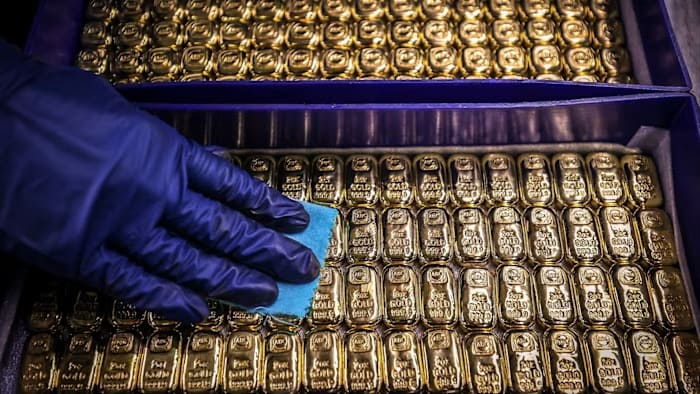
Gold and silver have been setting new all time highs in early 2026, marking one of the most dramatic precious metals rallies in decades. Spot gold broke through $5,000 per ounce in early Monday trading, just over three months after first topping $4,000 in October 2025, while silver surged to a record high near $109 per ounce following its breakthrough above $90 earlier in January. These moves matter because they reflect a fundamental shift in how investors, institutions, and central banks are allocating capital amid rising geopolitical tensions, weakening confidence in fiat currencies, and structural supply constraints. This article examines what is driving these fresh record highs, how this cycle compares with previous bull markets, and what it may mean for portfolios that also include assets like Bitcoin and other scarce investments.

How Gold Broke Above 4,800 Dollars and Pushed Toward 5,000 Dollars
Gold’s climb from the $3,800 to $4,000 range in mid 2025 to fresh records above $4,800 per ounce by January 2026 represents one of the most powerful rallies in the metal’s history. The move accelerated through October 2025, when gold prices first topped $4,000 amid escalating trade concerns and reduced dollar demand. By early January 2026, gold hit approximately $4,634.49 on January 13, then continued testing the $4,900 to $5,000 zone later in the month as global risk aversion intensified.
Several macro drivers powered this rise:
The renewed tariff threats from Washington in late 2025 rattled global markets and sent capital flowing into traditional safe havens. Rising Japanese bond yields added to concerns about global liquidity and the stability of sovereign debt markets. Investors seeking assets with low counterparty risk turned to physical gold as equities and other volatile investments sold off.
Central bank buying played a pivotal role throughout 2025 and into 2026. Global central banks maintained a consistent demand stance, purchasing 45 tons of gold in November 2025 alone according to the World Gold Council. Countries such as China and other emerging markets continued accumulating gold as a reserve asset to diversify away from dollar denominated holdings. This structural shift reflects growing skepticism about fiat currencies and expanding government deficits in the United States and Europe.
A weaker US dollar further supported gold prices. The Bloomberg Dollar Spot Index fell 1.6% in a single week, the largest weekly drop since May of the prior year. This decline made gold cheaper for buyers in other countries and spurred international demand. Expectations of Federal Reserve rate cuts in the second half of 2026 also reduced the opportunity cost of holding non yielding assets like gold, adding momentum to the rally.
Visual suggestion: A price chart showing gold’s climb from January 2025 to January 2026 with key record highs labeled at $4,000 in October 2025 and $5,000 in early 2026.
Silver’s Surge From 30 Dollars to Triple Digits
Silver’s move has been even more dramatic than gold’s, rising from roughly $25 to $30 per ounce in early 2025 to above $90 by January 2026, and then briefly breaking above $100 in recent trading. The metal traded above $95.50 on days when global risk aversion spiked and briefly touched the $109 level during President Trump related tariff headlines. This represents a gain of more than 250% from the start of 2025, far outpacing gold’s already impressive returns.
Silver’s rally draws strength from both its role as money and its critical industrial purposes. Unlike gold, over half of silver consumption stems from industrial applications, creating a dual demand dynamic that amplifies price moves in favorable conditions.
Key supply and demand forces driving silver’s record high include:
Safe haven demand has attracted investors priced out of high gold prices, making silver an accessible alternative for those seeking protection against geopolitical uncertainty and currency devaluation. Retail buyers in particular have poured into silver as a more affordable store of value.
Accelerating industrial demand from solar panels, electric vehicles, and data center infrastructure has strained available supply. The world’s transition toward renewable energy requires massive amounts of silver for photovoltaic cells and electrical components, creating structural demand that grows independently of investment flows.
A persistent supply deficit has emerged from repeated annual shortfalls in mined silver versus total demand. Silver mining is largely dependent on byproduct supply from copper, lead, and zinc operations, limiting the ability of producers to ramp output quickly in response to higher prices.
Exchange traded fund inflows signal strong investor interest, with more than $900 million of net inflows into silver backed products over a 30 day window. This capital flow reflects fear among investors seeking perceived safety outside of stocks and the broader crypto market.
Global Risk Aversion and Geopolitical Stress Pushing Metals Higher
The record highs in gold and silver are directly linked to a sequence of geopolitical events that have shaken investor confidence in risk assets. Renewed US tariff threats on Europe and Japan, political uncertainty in Tokyo, and legal actions against major US financial institutions combined to create a risk off environment that favored physical bullion over paper assets.
New tariff threats from Washington in late 2025 and early 2026 triggered immediate risk off moves in equities and cryptocurrencies. US President Trump’s announcements regarding trade barriers prompted investors to rotate out of volatile investments and into precious metals. This dynamic reinforced gold’s status as a reserve asset with thousands of years of history backing its value proposition.
Gold reaching approximately $4,730 and silver moving above $95.50 occurred on days when global stock markets sold off sharply and volatility indices spiked. The correlation between equity weakness and metal strength highlighted how investors perceive these assets as genuine hedges rather than speculative trades.
Rising Japanese government bond yields added another layer of concern about global liquidity conditions. As yields rise, questions about debt sustainability in developed economies become more urgent. This environment reinforced the preference for low counterparty risk assets like physical gold and silver that do not depend on any government’s ability to repay obligations.
These moves occurred despite some expectations that Bitcoin and other cryptocurrencies would act as alternative hedges during periods of stress. However, flows in this risk off phase favored metals. Bitcoin fell from above $120,000 toward the $80,000 to $90,000 range while gold continued setting new highs, suggesting that when genuine fear enters markets, investors still prefer the tangibility and track record of precious metals.
Gold and Silver Versus Bitcoin and Other Scarce Digital Assets
The divergence between gold and silver setting new all time highs and a weaker cryptocurrency market has reignited debate about what truly serves as a store of value in times of stress. While gold pushed toward $5,000 per troy ounce and silver broke above $100, Bitcoin dropped from above $120,000 toward the $80,000 to $90,000 range, losing momentum precisely when investors sought safety.
The Bitcoin to gold ratio illustrates this shift. Before the latest correction, one Bitcoin equated to about 19 ounces of gold. As gold outperformed, this ratio declined, indicating capital rotating from digital to physical scarcity. Both metals and Bitcoin share the property of scarcity, but recent fear driven moves have clearly favored tangible safe havens backed by centuries of history and active central bank demand.
Regulatory setbacks in the United States added to uncertainty in the crypto space. Delayed or canceled crypto market structure votes in the Senate Banking Committee frustrated crypto investors hoping for clarity. Controversies around legislation like the Genius Act further clouded the outlook. Even commentary from figures like Coinbase CEO Brian Armstrong about regulatory challenges highlighted the difficult environment facing digital assets.
Comparing metals and Bitcoin on key characteristics:
Scarcity: Gold and silver have fixed annual mine production that cannot rapidly expand. Bitcoin has a hard cap of 21 million coins. Both offer protection against fiat money printing, but metals have proven their store of value over millennia.
Volatility: Silver and Bitcoin both exhibit high volatility, amplifying gains and losses. Gold tends to be more stable, making it preferable for risk averse capital. Silver sits between the two, offering leverage like exposure without Bitcoin’s extreme swings.
Regulatory risk: Physical metals face minimal regulatory uncertainty. Crypto assets face evolving and sometimes hostile regulatory environments that can rapidly change their investment thesis.
This environment could eventually benefit select cryptocurrencies if investors rotate away from potentially overextended metals toward other scarce assets. However, this shift is not yet visible in current flows. For now, the market is sending a clear sign that when fear dominates, gold and silver remain the first choice.
Key Forces Behind the New All Time Highs in Gold and Silver
Understanding the main drivers behind gold and silver reaching new records in 2025 and 2026 is essential for investors trying to assess whether current prices represent fair value or speculative excess.
Monetary Policy and the Federal Reserve
Expectations of Federal Reserve rate cuts in 2026 have reduced the opportunity cost of holding non yielding assets. Lower interest rate expectations push down real yields, making gold and silver more attractive relative to bonds or cash. A weaker dollar, partially driven by anticipated Fed easing, supports commodity prices denominated in US currency and attracts international buyers.
Inflation and Currency Skepticism
Investor concerns about long term purchasing power of fiat currencies have intensified. Growing public debt levels in the United States and Europe raise questions about fiscal sustainability. Many investors view gold and silver as insurance against currency devaluation and as tangible stores of value that cannot be printed into oblivion. This skepticism about government money management represents important news for asset allocation.
Supply Constraints in Mining
Limited mine expansion, permitting delays, and declining ore grades constrain gold and silver output. Silver’s reliance on byproduct supply from copper, lead, and zinc mining means production cannot easily scale to meet rising demand. These structural factors create a scarcity dynamic that supports higher prices when demand accelerates.
Investor Sentiment and Flows
While the Crypto Fear and Greed Index has fluctuated between neutral and fearful, flows into gold and silver exchange traded products show clear demand for perceived safety. Institutions have maintained net buying positions despite record prices. Retail interest has surged as individual investors seek alternatives to stocks and the broader crypto market. This sentiment trend reflects a fundamental reallocation rather than pure speculation.
What All Time Highs in Gold and Silver May Mean for Investors
Metals trading at or near record levels present both opportunities and risks for new capital entering the market. Prices at these levels already reflect considerable optimism about future drivers, making position sizing and timing crucial considerations.
Potential Scenarios for Continued Strength
Continued geopolitical strain, including tariffs, trade tensions, and political instability, could drive gold toward or above $5,000 per ounce while keeping silver near or above $100. Aggressive Federal Reserve rate cuts in response to economic weakness would further support precious metals by reducing the opportunity cost of holding non yielding assets. Sustained central bank buying and industrial demand for silver could extend the bull markets well into late 2026.
Risks of Mean Reversion
Sharp corrections remain possible if trade tensions ease, economic data improve, or central banks signal tighter than expected policy paths. Gold and silver are not immune to profit taking after dramatic rises. Technical indicators suggest silver in particular is overbought, which could trigger rapid pullbacks if sentiment shifts.
Diversification Considerations
Readers should consider how much portfolio exposure to precious metals, equities, bonds, and possibly select cryptocurrencies might balance risk rather than advocating concentrated bets on any single asset class. Diversification across asset types and geographies can help manage the volatility inherent in any investment at record prices.
Silver’s Amplified Risk Profile
Silver’s higher volatility can amplify gains and losses dramatically. A 10% move in gold might translate to a 20% or greater move in silver. Position sizing and time horizon are crucial at record prices. Investors with shorter time horizons or lower risk tolerance may find silver’s swings difficult to tolerate even if the long term thesis remains intact.
Important Disclaimer
This analysis is not personalized investment advice. Readers should consider their own risk tolerance, time horizon, and finance goals. Consulting a professional advisor before making significant portfolio changes is prudent, especially when markets are volatile and trading near all time highs.
Conclusion: Navigating Gold and Silver All Time Highs in 2026
Gold and silver have been setting new all time highs amid global risk aversion, supply constraints, and shifting expectations for monetary policy. Gold’s push above $5,000 per ounce and silver’s rise above $100 reflect both fear and structural demand, creating a complex backdrop for investors deciding between metals, stocks, and cryptocurrencies.
These record prices are not random. They stem from concrete factors including tariff threats, central bank actions, industrial demand growth, and regulatory changes affecting alternative assets. Understanding these drivers is essential before reacting to headlines about new highs or making portfolio adjustments based on momentum alone.
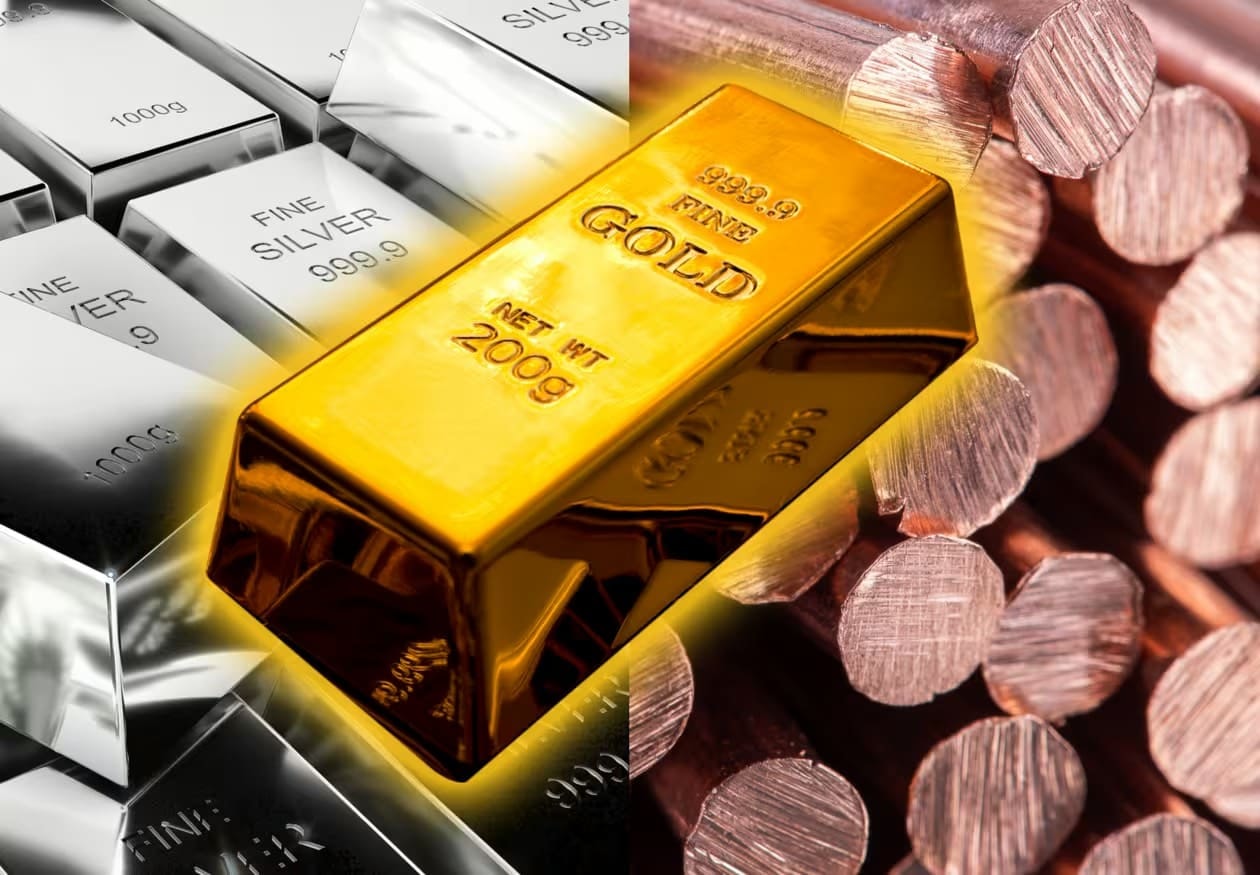
Looking ahead, the remainder of 2026 will test whether current conditions persist or evolve. Policy decisions from the Federal Reserve, geopolitical developments involving the United States and other countries, and economic data will either extend or cool the current precious metals rally. Investors who monitor these factors closely will be better positioned to navigate what promises to be a dynamic market environment for gold, silver, platinum, palladium, copper, and other hard assets competing for capital in a world searching for value and safety.