
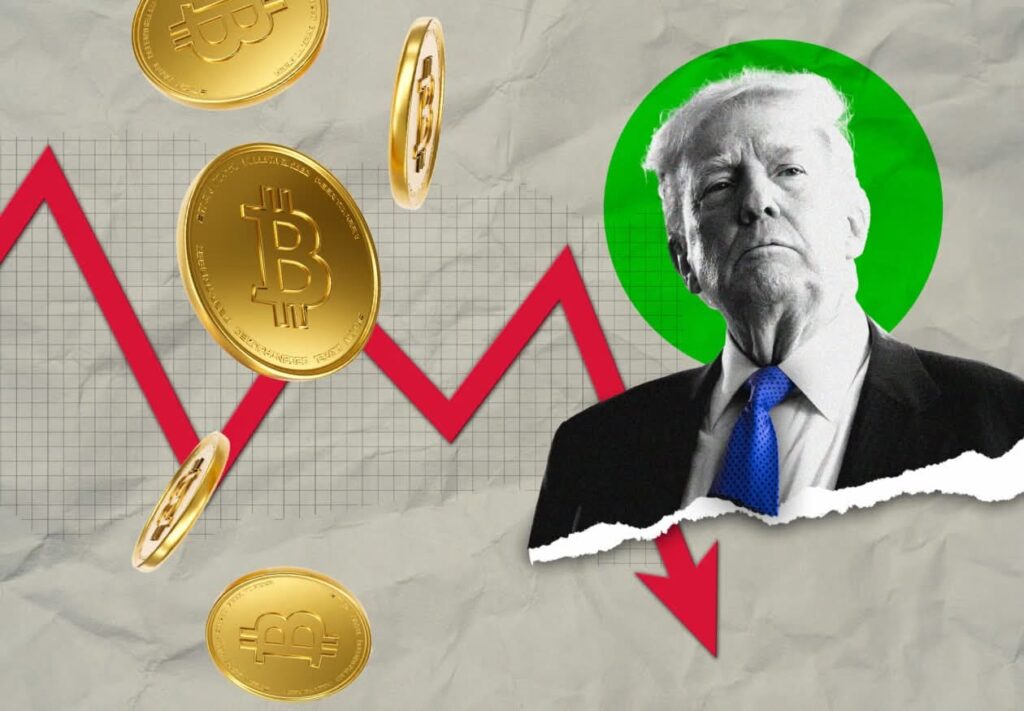
Regulation and Crypto in 2026: What Investors Need to Know About Global Policy Shifts
The era of “wait and see” in crypto regulation is officially over. If you’ve been holding digital assets or building positions in crypto markets, 2026 marks a turning point that demands your attention. This is the year when frameworks that were debated, drafted, and passed between 2024 and 2025 actually start applying to real businesses, real exchanges, and real portfolios.
What changed? Between late 2024 and throughout 2025, regulators across the United States, European Union, and Asia moved from enforcement actions and consultation papers to binding rules. The passage of the GENIUS Act in 2025 created the first federal law for stablecoin oversight in the US. The EU’s MiCA regime achieved full implementation across all 27 member states. And over 50 countries committed to the OECD’s Crypto Asset Reporting Framework, with automatic tax information sharing kicking off in 2026 or 2027.
For investors, this shift from regulatory uncertainty toward structured market rules means you can finally plan around something concrete rather than guessing what enforcement action might come next.
Key shifts you need to know in early 2026:
- GENIUS Act implementation is underway, with Treasury and banking regulators issuing final rules on payment stablecoins, reserve requirements, and issuer licensing
- CLARITY Act remains under debate in Congress, aiming to split responsibilities between the securities and exchange commission and commodity futures trading commission for token classification
- MiCA is fully operational in the EU, creating uniform licensing for crypto asset service providers and stablecoin issuers across the bloc
- Asia hubs including Hong Kong, Singapore, and UAE have finalized or are finalizing licensing regimes designed to attract institutional capital and tokenization projects
- CARF reporting begins, meaning tax authorities will receive detailed transaction data from exchanges and share it internationally
The regulatory posture has fundamentally shifted from “enforcement only” toward providing regulatory clarity that long term investors can actually build strategies around.
How global crypto regulation reached the 2026 inflection point
Understanding where we are requires a quick look at how we got here. The events of 2023 through 2025 set the stage for everything happening in 2026.
The catalyst was clear: the FTX collapse in late 2022 exposed significant risks in how crypto markets operated, from commingled customer funds to opaque governance. Regulators worldwide responded decisively, moving from reactive enforcement to proactive rulemaking.
Key milestones that shaped 2026:
- 2023: SEC intensified enforcement actions against major exchanges and token issuers, filing suits against Coinbase and Binance while pursuing cases against multiple token projects it classified as unregistered securities
- Early 2024: Spot Bitcoin and Ethereum ETFs received approval in the US, signaling thawing regulatory attitudes toward institutional participation
- December 2024: MiCA achieved full implementation across all EU member states, establishing the world’s first comprehensive regional framework for digital asset regulation
- 2025 Q1 Q2: Congressional momentum built around stablecoin legislation, with the GENIUS Act advancing through committees
- 2025 Q3: GENIUS Act passed, creating federal licensing requirements for payment stablecoin issuers through the Office of the Comptroller of the Currency
- Late 2025: UK began phasing in its digital asset regime, with FCA consultations on staking and custody rules setting up full authorization requirements by late 2026
- Early 2026: CARF reporting obligations begin for virtual asset service providers in adopting jurisdictions, with over 50 countries committed
What makes 2026 different is that these rules now apply to real operations. Exchanges need licenses. Stablecoin issuers need reserves and audits. Crypto transactions get reported to tax authorities automatically. The focus shifts from speculation about what might happen to compliance with what is happening.

United States 2026 policy landscape for crypto investors
The US remains the largest capital market on the planet, and what happens here shapes global liquidity, listing decisions, and institutional flows into digital asset markets. For investors, understanding the 2026 US policy landscape is essential regardless of where you hold your assets.
GENIUS Act Implementation in 2026
The GENIUS Act, passed in 2025, represents the first federal law specifically addressing payment stablecoins. In 2026, implementation is the focus as Treasury, the federal reserve, and banking regulators issue final rules covering:
- Reserve requirements mandating that payment stablecoins maintain one to one backing with high quality liquid assets
- Monthly attestations or audits from independent parties verifying reserve composition
- Disclosure rules requiring issuers to publish reserve breakdowns and redemption terms
- Licensing pathways for both bank and nonbank stablecoin issuers through the OCC
This framework fundamentally changes how US dollar stablecoins operate. Issuers that comply gain a competitive advantage through regulatory certainty, while those operating offshore or with inadequate reserves face increasing friction accessing US markets and banking relationships.
CLARITY Act Status
While the GENIUS Act addressed stablecoins, the broader question of which tokens are securities versus commodities remains partially unresolved. The proposed CLARITY Act aims to fix this by:
- Establishing clearer tests for when a token transitions from a security to a digital commodity based on network decentralization and functional use
- Splitting oversight so the commodity futures trading commission handles non securities digital assets and spot markets while the securities and exchange commission retains jurisdiction over digital asset securities
- Creating a registration pathway for token projects that want to raise capital initially as securities but transition to commodity status over time
As of early 2026, market structure legislation including the CLARITY Act is still working through Congress. Investors should monitor this closely because passage would unlock significant capital formation and institutional participation in tokens currently in regulatory limbo.
Other Relevant 2025 to 2026 Actions
Beyond these headline bills, federal agencies have been active:
- IRS finalized rules requiring exchanges and brokers to report crypto transactions, with implementation phasing in through 2026 and 2027
- SEC’s crypto task force, under sec chairman paul atkins leadership, has signaled a shift toward rulemaking rather than pure enforcement
- CFTC expanded its oversight of derivatives markets and derivatives clearing organizations handling crypto products
- Banking regulators clarified rules around custodying digital asset securities and holding digital assets for customers
What This Means for Investors
If you’re using US facing exchanges, holding stablecoins, or investing in token projects that might list on American venues:
- Expect more robust compliance requirements from exchanges including enhanced identity verification and transaction reporting
- Stablecoin holdings on compliant platforms carry lower counterparty risk as reserve requirements take effect
- Token projects without clear regulatory status may face delisting pressure or avoid US markets entirely
- DeFi front ends accessible from the US face increasing scrutiny around anti money laundering aml obligations
Stablecoins, central bank digital currencies, and digital dollars in 2026
By 2026, stablecoins have evolved from a niche trading tool into core infrastructure for crypto capital flows, cross border payments, and increasingly, onchain settlement for traditional financial institutions. How they’re regulated matters enormously for investors.
GENIUS Act Framework for Payment Stablecoins
The federal framework created by the GENIUS Act establishes clear rules for US dollar payment stablecoins:
- Reserve requirements: One to one backing with cash, Treasury bills, or other high quality liquid assets, with clear rules around liquidity management
- Attestations and audits: Monthly third party attestations for larger issuers, with specific requirements around underlying assets verification
- Disclosure: Public reporting of reserve composition, redemption procedures, and risk factors
- Bank versus nonbank issuers: Both can issue stablecoins, but nonbank issuers must obtain OCC charters and meet prudential standards
How This Affects Major Stablecoins in 2026
The new framework creates a tiered landscape:
- Fully regulated US issuers like Circle’s USDC gain advantages through clear compliance status, easier banking relationships, and eligibility for institutional use cases
- Offshore issuers face increasing friction as US exchanges and traditional financial institutions prefer counterparties with clear regulatory status
- Algorithmic or partially collateralized models struggle to meet reserve requirements and face potential delisting from compliant venues
CBDC Policy and the Digital Dollar Debate
While private stablecoins advance, federal policy on central bank digital currencies has moved in the opposite direction. The Anti CBDC Surveillance State Act and NO CBDC Act reflect Congressional sentiment against a retail CBDC, contrasting sharply with:
- China’s ongoing digital yuan rollout across multiple provinces
- EU experiments with a digital euro, though implementation timelines remain uncertain
- Various emerging markets piloting CBDCs for financial inclusion
Investor Angles on Stablecoins and Digital Currencies
- Counterparty risk: Regulated stablecoins from compliant issuers carry lower risk than offshore alternatives
- Regulatory arbitrage: Some yield strategies may depend on offshore stablecoins that face increasing restrictions
- Reserve yields: As stablecoin issuers hold Treasury bills, some are passing yield to holders, creating new opportunities
- Geopolitical competition: The race between US dollar stablecoins and alternative digital currencies affects long term positioning of the dollar in global finance
Regional regulatory shifts: Europe, Asia, Middle East, and beyond
2026 is the year regional frameworks either attract or repel capital and talent, creating a multi hub crypto world. Where you operate, custody assets, or invest matters more than ever.
European Union: MiCA in Full Effect
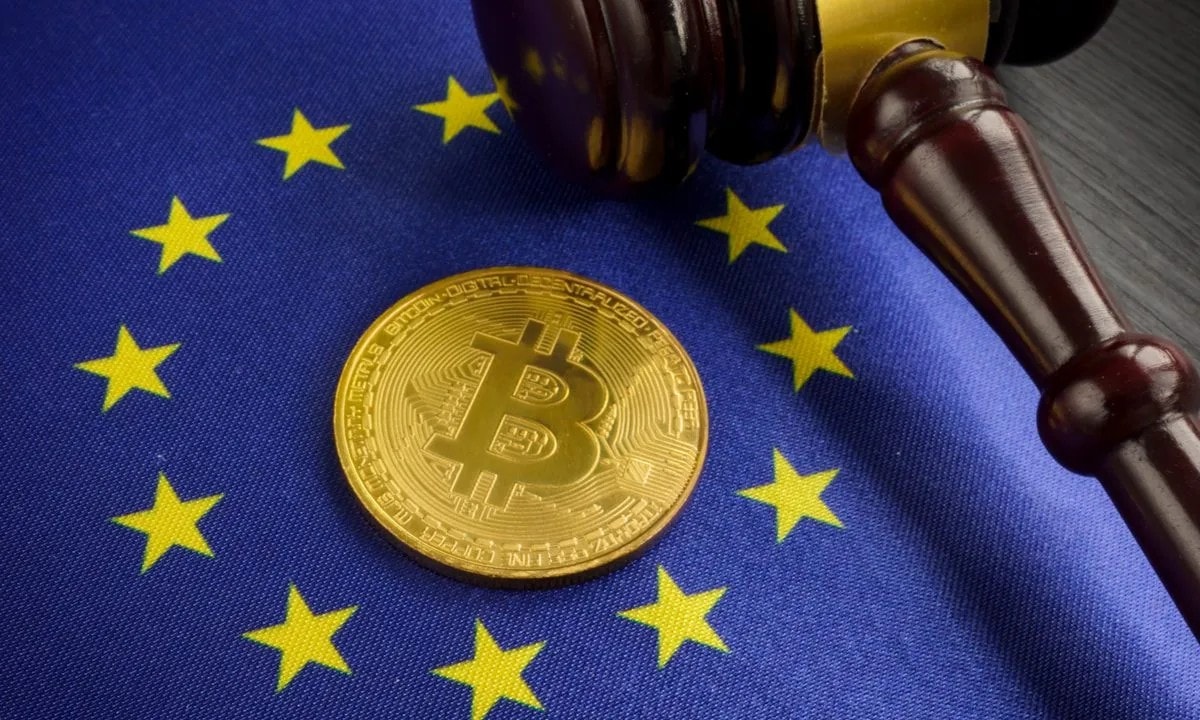
The Markets in Crypto Assets regulation represents the most comprehensive regional framework for digital assets anywhere in the world. By 2026:
- All crypto asset service providers must hold MiCA licenses to operate in any EU member state
- Stablecoin issuers face strict reserve, governance, and disclosure requirements, with e money tokens and asset referenced tokens treated differently
- Token listings require standardized white papers and marketing disclosures
- Market abuse rules apply to crypto trading, bringing market integrity standards similar to traditional securities
For investors, MiCA creates both opportunities and constraints. Compliant EU exchanges offer robust consumer protection, but some tokens and DeFi protocols may not be accessible through regulated channels.
Asia: Competing for Crypto Leadership
Asia presents a fragmented but dynamic landscape:
- Hong Kong has opened regulated retail access to specific tokens through licensed platforms, positioning itself as a bridge between Eastern capital and compliant crypto markets
- Singapore continues refining its Payment Services Act, with specific frameworks for stablecoins and digital payment tokens that balance innovation with financial stability
- Japan has clarified rules for stablecoins and tokenized securities, creating pathways for traditional asset managers to engage with blockchain technology
- South Korea has ramped up licensing requirements while maintaining strong retail interest in crypto trading
Middle East: UAE as Regulatory Hub
The UAE has moved aggressively to attract crypto capital:
- Dubai’s VARA (Virtual Assets Regulatory Authority) has finalized licensing and prudential rules for exchanges, custodians, and token issuers
- Abu Dhabi Global Market offers an alternative framework with specific provisions for institutional desks and asset tokenization
- Both jurisdictions provide clearer pathways than many competitors, attracting firms operating in digital asset markets
Other Jurisdictions to Watch
- UK: Phased authorization requirements through late 2026, with FCA consultations on staking, custody, and consumer protection ongoing
- Switzerland: Established DLT framework continues evolving with sandbox programs for tokenized securities
- Brazil: Emerging markets leader with specific crypto licensing and CBDC pilot programs
The practical implication for investors is that jurisdiction matters for risk, tax, and access. Holding assets through compliant venues in well regulated jurisdictions reduces operational and counterparty risk, while exposure to loosely regulated platforms carries higher uncertainty.
Tokenization, DeFi, and market structure under new rules
2026 regulation extends beyond coins and tokens to the entire stack of tokenized assets, DeFi protocols, and trading infrastructure. Understanding how these pieces interact with new rules is essential for sophisticated investors.
Tokenization of Real World Assets
The CLARITY Act and similar global guidance could unlock or constrain tokenization of real world assets:
- Funds and securities: Tokenized securities and fund shares face registration requirements similar to traditional instruments, but distributed ledger technology can reduce settlement times and operational costs
- Private credit and bonds: Tokenized debt instruments must meet disclosure standards, but offer potential for broader access and liquidity for asset classes traditionally limited to institutional investors
- Real estate and commodities: Fractional ownership through tokens faces property law and securities classification questions that vary by jurisdiction
- Carbon credits and other assets: Asset tokenization in newer categories may find faster regulatory pathways through sandbox programs
For asset managers and investment management firms, the opportunity lies in reduced friction and new distribution channels. The constraint is that most tokenized assets will need to operate within existing securities frameworks rather than around them.
Institutional DeFi in 2026
Regulatory expectations for DeFi are becoming clearer, particularly for institutional participation:
- Permissioned pools: Institutional DeFi increasingly operates through pools with identity verification and anti money laundering aml controls
- Liquidity providers: Providing liquidity to regulated protocols may require meeting specific compliance standards
- Yields and counterparty risk: Returns from institutional DeFi must be evaluated against regulatory and operational risks
- Sanctions obligations: Blockchain analytics are essential for ensuring compliance with sanctions requirements on crypto transactions
Centralized Exchange and Custodian Rules
Post 2022 failures drove regulators to focus on exchange and custodian operations:
- Segregation of client assets: Most jurisdictions now require clear separation between exchange operating funds and customer holdings
- Proof of reserves: Regular attestations or audits of holdings are becoming standard requirements
- Capital requirements: Firms operating exchanges and custody services face minimum capital standards
- Conflicts of interest: Rules addressing proprietary trading, lending, and self custody by exchanges aim to prevent FTX style failures
Practical Implications for Market Participants
- Tokens with clear commodity classification may find easier listing pathways on compliant venues
- Tokens classified as securities need proper registration or exemptions for secondary trading
- DeFi protocols may increasingly bifurcate between permissioned institutional versions and permissionless retail versions
- Derivatives markets and lending markets formalize under clearer regulatory frameworks, potentially reducing yields but also reducing risk
Key risks and opportunities for crypto investors in 2026
Clearer regulation does not eliminate risk. It changes where risk sits and what form it takes. Here’s how to think about both sides of the ledger.
Main Regulatory Risks for 2026 Investors
- Retroactive enforcement: Token distributions from earlier years may face enforcement action even as forward looking rules clarify, creating uncertainty for older holdings
- Stablecoin failures: Issuers that cannot meet new reserve requirements may face redemption issues or delistings, creating counterparty risk for holders
- Jurisdictional conflicts: Assets legal in one jurisdiction may face restrictions in another, complicating cross border holdings and tax treatment
- Tax reporting surprises: CARF and enhanced IRS reporting mean tax authorities will have unprecedented visibility into crypto transactions, catching investors who underreported in prior years
- Regulatory fragmentation: Despite harmonization efforts, rules still vary significantly across jurisdictions, complicating global strategies
- Sanctions exposure: Enhanced blockchain analytics mean exposure to sanctioned addresses or protocols carries higher enforcement risk
- Price volatility interactions: Regulatory announcements can trigger significant market risks and rapid price movements
Core Opportunities Created by Regulatory Certainty
- Institutional grade tokenization: Clear rules for tokenized securities and real world assets unlock capital formation from traditional financial industry regulatory authority supervised firms
- Regulated stablecoin platforms: Compliant stablecoin issuers offer lower counterparty risk and potential yield opportunities from reserve management
- Compliant DeFi infrastructure: Protocols built for institutional compliance may attract significant capital from firms previously on the sidelines
- Exchange traded products: Broader adoption of crypto ETFs and similar products in multiple jurisdictions provides regulated exposure pathways
- Operational maturity: Compliance ready exchanges and custodians offer improved risk management and consumer protection
Considerations by Investor Profile
| Investor Type | Priority Considerations |
|---|---|
| Retail | Use licensed exchanges, verify stablecoin issuer compliance, understand tax reporting obligations |
| Family Offices | Evaluate custody partners for regulatory status, consider jurisdiction for entity structure, monitor tokenized alternatives in private credit |
| Funds | Assess compliance infrastructure of counterparties, evaluate regulatory status of holdings for LP reporting, plan for enhanced disclosure requirements |
| Corporates | Work with banking partners on digital asset treasury strategies, ensure sanctions compliance programs cover crypto exposure |
What to Monitor During 2026
- Congressional progress on CLARITY Act and market structure legislation
- Treasury and OCC final rules implementing GENIUS Act provisions
- SEC and CFTC guidance on token classification and secondary trading
- CARF implementation timelines in jurisdictions relevant to your holdings
- UK FCA authorizations and staking guidance
- Asia hub licensing developments in Hong Kong, Singapore, and UAE
- FSB and IOSCO updates on global standards for crypto asset regulation
The days of treating regulatory developments as background noise are over. In 2026, regulatory fluency becomes as essential to crypto investing as understanding blockchain technology itself. Following agency rulemakings, cross border developments, and compliance calendars is now a core part of strategy rather than an afterthought.
Smart investors will treat regulatory calendars like earnings reports: scheduled events that can move markets and reshape opportunities. The regulatory landscape has shifted from chaos to structure. Your approach should shift accordingly.